









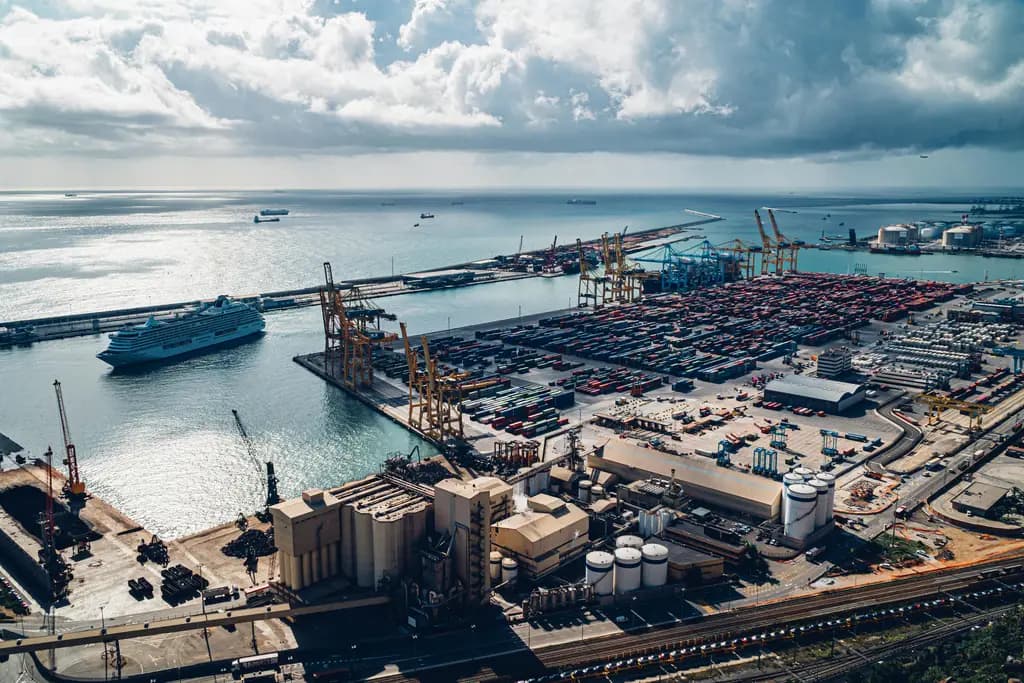
Intermodal transport plays a key role in the circulation of cargo, combining different modes of transport to increase efficiency and reduce costs. Take a look at the benefits with us...
Intermodal transport plays a key role in the circulation of cargo, combining different modes of transport to increase efficiency and reduce costs. Take a look at the benefits of this innovative approach that is changing the way we view logistics. We encourage you to read the details later in the article!
What is intermodal transport and what benefits does it offer?
Intermodal transport involves the transport of cargo using different modes of transport, such as roads, railways or sea, while the cargo remains unchanged throughout the journey. Such a system significantly reduces transport time and minimizes the risk of damage.
Thanks to intermodal logistics solutions, operational efficiency is improved and costs associated with transfers are reduced. For example, studies indicate that logistics expenses can be reduced by up to 20%. What's more, intermodal transport has a positive impact on the environment – thanks to the optimization of routes and the use of greener options such as railways, it is possible to reduce CO2 emissions.
Multimodal transport is becoming an important element in increasing the competitiveness of enterprises. It enables flexible delivery planning and faster adaptation to dynamic changes in the market. For this reason, intermodal solutions play a key role in global supply chains, and numerous industry analyses and statistics confirm their importance.
What are the ecological and cost-saving advantages of intermodal transport?
Intermodal transport plays an important role in reducing carbon dioxide emissions, which is extremely important for achieving sustainability in the transport industry. Combining different modes of transport, such as rail and sea freight, results in lower fuel consumption and reduced levels of atmospheric pollution. According to research, thanks to such solutions, emissions can be lower by up to 25-30% compared to traditional road transport.
Modern technologies used in logistics make intermodal systems more cost-effective. Thanks to the optimization of routes and the centralization of transfer points, a reduction in operating costs by 15-20% can be observed. The efficiency of intermodal transport is mainly due to:
The advantages of using intermodal transport include both ecological and economic benefits. This makes it an attractive solution in the context of global supply chains. Strategies aimed at reducing CO2 emissions and optimizing costs confirm the positive aspects of this type of transport.
How does intermodal transport improve international freight transport?
Intermodal transport is a modern solution that is revolutionizing international freight transport. It combines various means of transport: road, rail and sea, which allows for an efficient exchange of containers between them. Thanks to this, the transfer time is reduced by 20-30% and customs formalities become much simpler.
By effectively coordinating the individual stages of delivery, the risk of delays is minimized, which translates into more efficient route planning. For example, the use of standard containers guarantees operational fluency even during international freight transport.
The results of the research indicate that the choice of intermodal transport contributes to cost reduction and increased flexibility in logistics. The integration of different forms of transport – whether road, rail and sea – significantly improves the efficiency of global supply chains.
What examples of the use of intermodal transport illustrate its effectiveness?
Intermodal transport shows its high efficiency on many levels, which can be observed in numerous examples. Take, for example, the transport of containers from seaports to distribution centers – perfectly organized transport stages, including sea, rail and road transport, can significantly reduce transfer times by up to 20-30%.
By optimizing multimodal transport, companies can enjoy operational savings of 15-20%. Many cases confirm this. In addition, container transport contributes to reducing fuel consumption and CO2 emissions, which makes it much easier to meet environmental standards.
These examples show how the integration of different modes of transport leads to:
How Grupa Transportowa use the advantages of intermodal transport?
Grupa Transportowa , it effectively leverages the advantages of intermodal transportation by combining different modes of transportation to optimize the supply chain. By integrating sea, air and rail transport, the company offers flexible solutions tailored to the individual needs of customers.
An example is the launch of the LCL (Less than Container Load) service on the China-Poland route, which allows for the consolidation of smaller cargoes, which translates into reduced transport costs.
In addition, GT Air&Ocean, a Transport Group company, offers rail freight as part of the New Silk Road, providing fast and environmentally friendly connections between China and Europe, with full customs and logistics support. This approach allows for efficient time and cost management while taking care of the environment by choosing greener modes of transport.
Intermodal transport is carried out by Grupa Transportowa - GT Air&Ocean Freight - air, rail and sea. Intermodal is not.